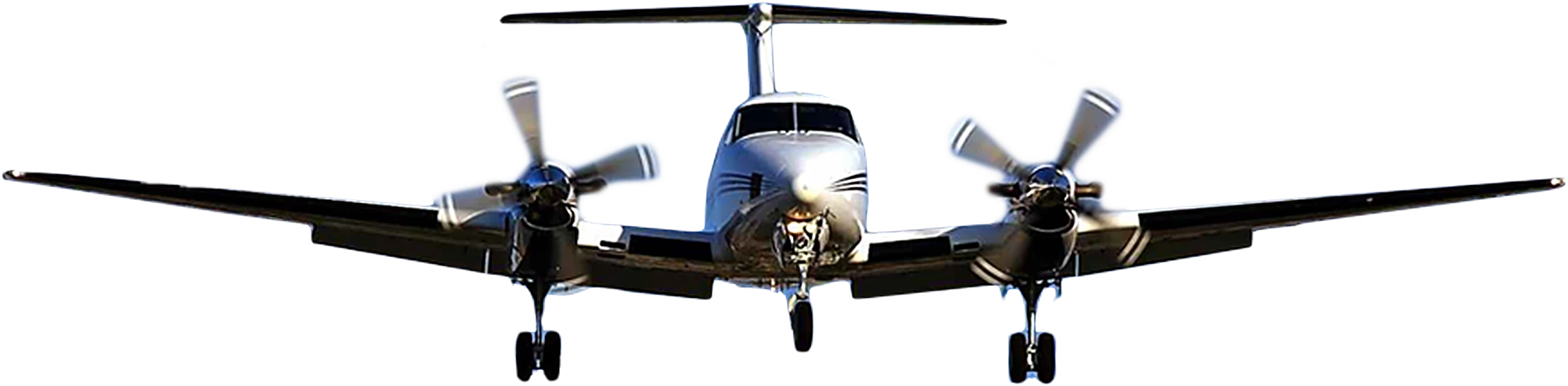

Insurance approved flight training: how it really works
No two training situations are identical. Your underwriter considers the aircraft and your experience, then recommends specific training. Please check with your broker and underwriter to confirm our programs meet your needs. We work closely with both to understand the required training, then provide instruction to meet those criteria.
Underwriters we have worked with
Since August 2011 we have submitted aircraft-specific initial and recurrent syllabi and CFII credentials to underwriters. Several have changed names since then, so each line gives the current name and, in parentheses, the name at the time.
Approved, with training completed
- Aerospace Insurance Managers, Inc.
- AIG (as Chartis Aerospace)
- AXA XL (as XL Specialty)
- Old Republic Aerospace (as Phoenix Aviation Managers)
- Starr (as CV Starr)
- U.S. Specialty Insurance Company
- W. Brown & Associates
Submitted, no training completed yet
- Allianz (as Allianz Aviation Managers)
- Avemco
- Global Aerospace
- Houston Casualty Company
- London Aviation Underwriters, Inc.
- QBE
Aircraft in those submissions
| Beechcraft | Baron 55, Baron 58, Baron 58P, Duke, King Air 90, King Air 200 |
|---|---|
| Cessna | CE-208, CE-210, CE-210P, CE-210T, CE-310, CE-340, CE-401, CE-402, CE-411, CE-414, CE-421, CE-425, CE-441 |
| Pilatus | PC-12/41, /45, /47, /47E NG |
| Piper | PA31-310, PA31-P, PA31-325, PA31-350, PA31P-350, PA46-310, PA46-350P, PA46-350T, PA46-500T, JetPROP DLX, Aerostar PA600, PA601-P, PA602-P, PA700-P |
| Rockwell | Commander 680 series, Turbo Commander 690, 690A, 690B, 690C, 690D, 695, 695A, 840 and 1000 |
| Socata | TBM 700, TBM 850 |
What brokers and underwriters usually look at
Published guidance is thin, and it comes mostly from brokers rather than insurers. BWI's 2026 King Air guide says most insurers require initial transition and annual recurrent training, that simulator training is often preferred or required, that a mentor may be required for transitioning pilots, and that most prefer 1,000 or more total hours. These are broker statements about the market, not rules, and your quote may say something else.
If your policy does ask for in-aircraft or a mentor, or if your broker has flexibility, we can send the aircraft-specific syllabus and instructor credentials. Here is a note you can send your broker.
Frequently asked questions
Is your training insurance approved?
Our initial and recurrent syllabi and CFII credentials have been approved by, and we have completed training underwritten by, the underwriters listed on this page. Each underwriter decides for each pilot and aircraft, so confirm with your broker.
Does the FAA require recurrent training for my aircraft?
For most single-pilot aircraft in this class, the FAA does not require a recurrent course as such. It requires a flight review under 14 CFR 61.56 and recent experience under 14 CFR 61.57. Yearly training usually comes from your insurance policy.
My broker asked for a syllabus. Can you send one?
Yes. Tell us the aircraft and the broker's email, and we will send the aircraft-specific syllabus and instructor credentials.
What does my broker need to send you before training?
A certificate of insurance (COI) for your aircraft, showing Access Flight Training Services LLC as an additional insured, with a waiver of subrogation, for the training period. Your broker also adds your instructor to the policy for the training. The COI goes to paul@accessfts.com or fax (440) 306-0152. A waiver of subrogation means your insurer agrees not to seek repayment from Access for a loss it pays. Your broker can tell you exactly how that works in your policy.
Access Flight Training ServicesRevised 2026-11-04