
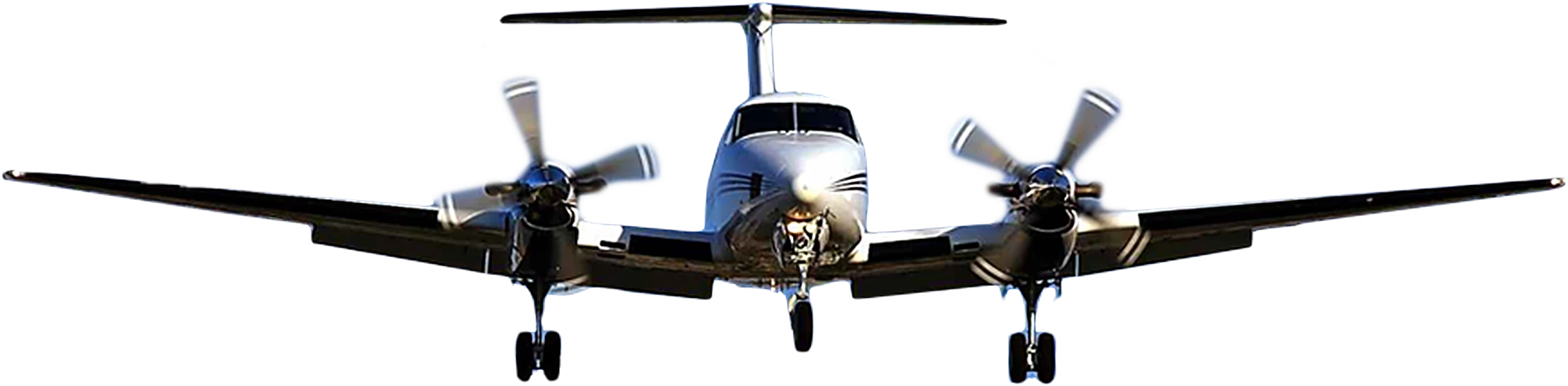
Turboprop and piston training, in your own aircraft
Advanced instruction for pilots who already fly.
Applicable modelsKing Air, PC-12, TBM, Meridian, Caravan, Conquest, Cheyenne, Commander, Baron, Duke, Cessna 210, 300 and 400 series, Navajo, Malibu, Aerostar.
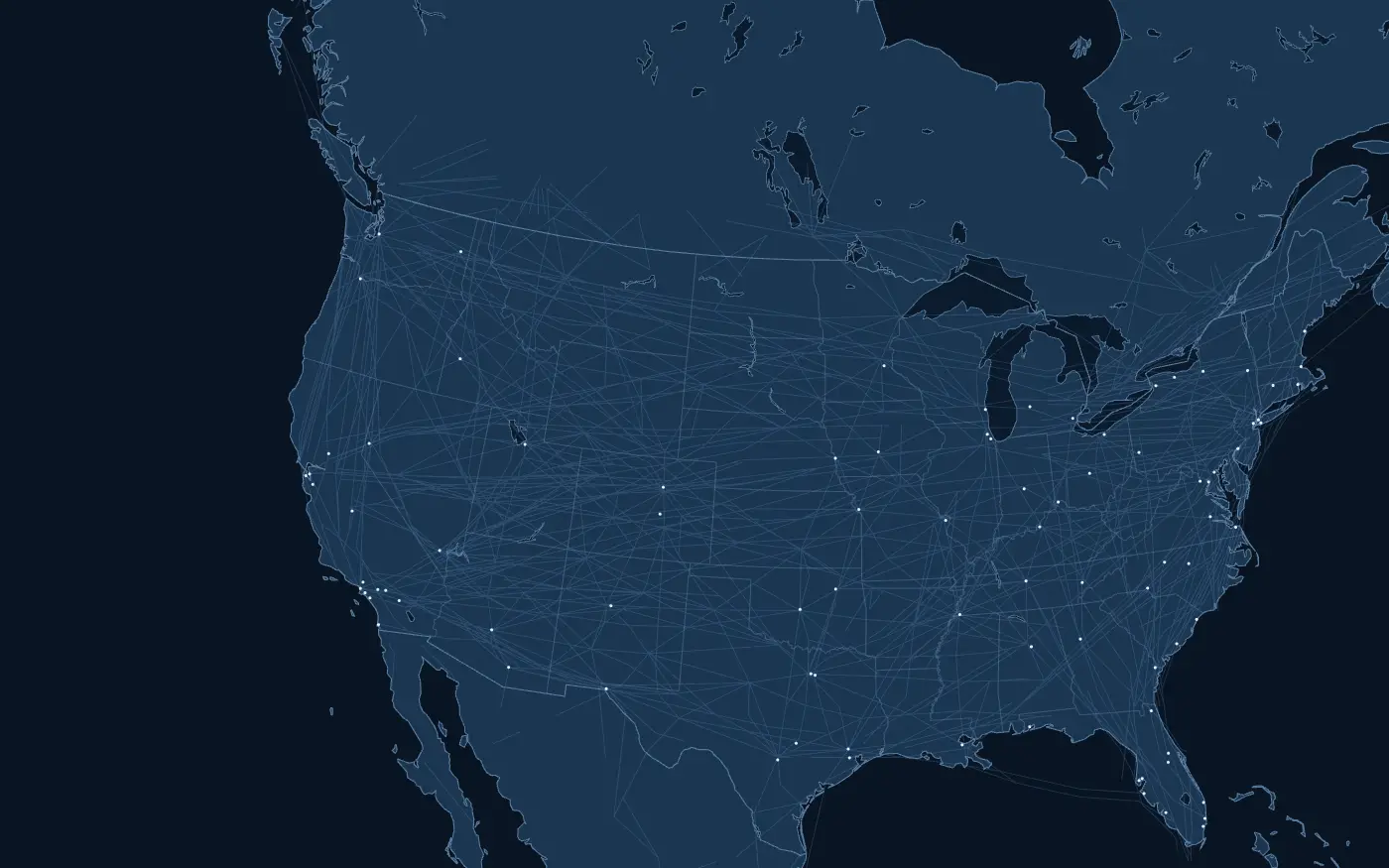
Illustrative map and radar, not for navigation. Map data: FAA, US Census, Natural Earth, OurAirports.
What is in-aircraft initial and recurrent training?
Access Flight Training Services is a US company that delivers initial and recurrent flight training in the customer's own aircraft, anywhere in the United States and Alaska, for turboprop and piston owners and pilots, with syllabi and instructor credentials submitted to the insurance underwriter.
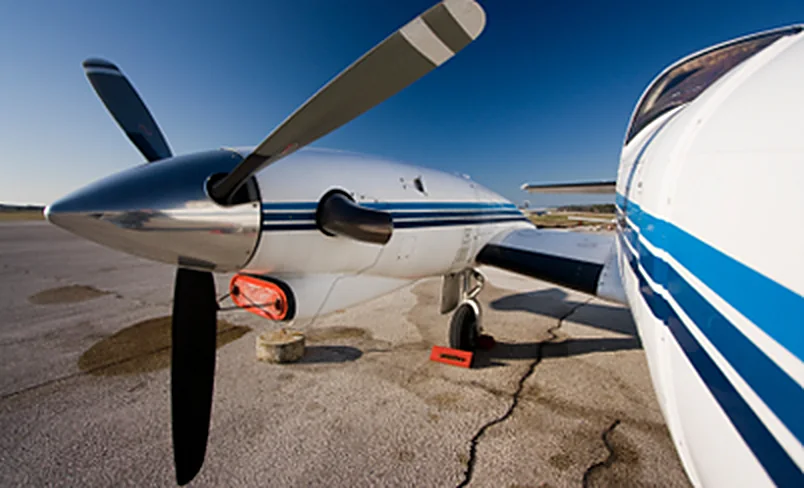
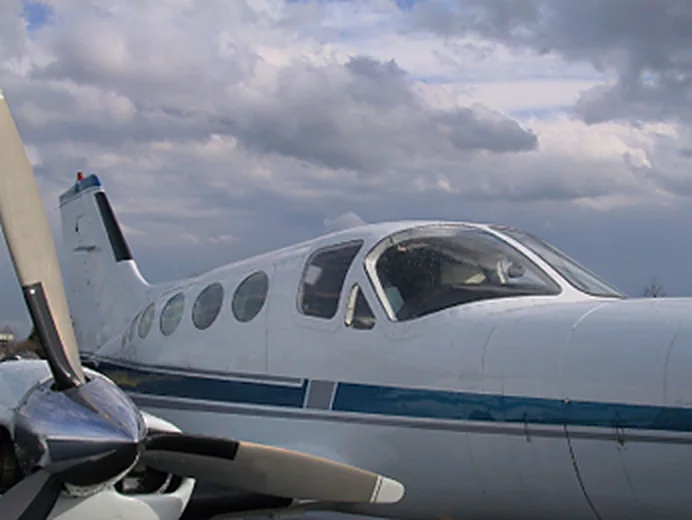
Turboprop and piston training with Access happens in the airplane you fly: the ground school and every flight hour, with a CFII who travels to you anywhere in the United States and Alaska, instead of at a simulator center. Initial typically takes 3 to 5 days with about 10 flight hours if required. Recurrent takes 2 or 3 days with about 7. Both can include an instrument proficiency check, a flight review and a high altitude endorsement.
- About us: who flies with youPaul Liberatore, Mike Graham and the instructors
- In-aircraft vs simulator trainingThe rules every course runs under, and when a simulator is the better choice
- A training deadline from your underwriterWhat to do when the policy renews soon
- What we deliver: initial and recurrentCourse length, flight hours, and what you leave with
- Tuition by aircraftPublished prices for every model we train in
- Insurance approvalsUnderwriters and how acceptance works
- Aircraft we train inOne page per aircraft family
- Articles for pilotsWritten for pilots who already fly these airplanes
Who flies with you
High-time corporate and airline pilots who keep flying while they teach.

Paul A. Liberatore
CEO & Owner
Retired Commander, Naval Reserve and USMC, with about 200 day and night carrier landings and the Aviation Safety Officer Course at the US Naval Postgraduate School. Paul answers training requests himself.
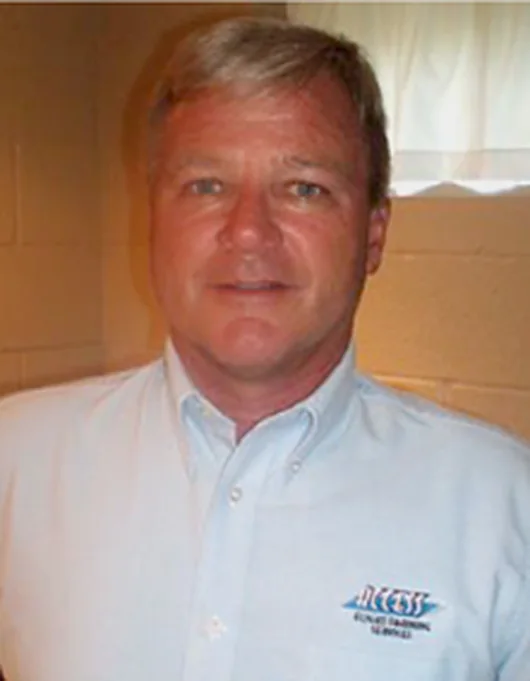
Mike Graham
Chief Flight Instructor
CFII and MEII with about 23,000 hours TT and more than 5,000 hours of dual given. Flies as a corporate pilot and oversees all of our instructors. Read their full records.
Also on the team
- Major US commercial air carrier
- Senior Captain and First Officer
- FAA Designated Pilot Examiner (DPE)
- One
- Corporate pilots
- High time
Limitations, the way your AFM writes them
Every course runs inside these rules. Your broker will want to see them, and you should too.
Your policy renews soon?
- Read the exact words of the training clause.
- Call your broker before you book anyone.
- Send us the aircraft, the airport and the date.
- We send the syllabus and instructor credentials to your broker.
- Get the acceptance in writing.
Read the full procedure, with a note you can send your broker
Your airport, anywhere in the US and Alaska, or ours.
What a course looks like
Instruction typically runs from 8:00 AM to 5:00 PM with a break for lunch, adjusted for weather or your work. Time splits between ground and flight. You cover systems, limitations, emergencies, the FARs, real-world operations and servicing, in your own panel.
Initial
- Length
- 3 to 5 days
- In the aircraft
- About 10 hours, if required
- Added dual
- By the day, about 5 hours
Recurrent
- Length
- 2 or 3 days
- In the aircraft
- About 7 hours, if required
- Your agenda
- Any area you want reviewed
Both can include a written test on the aircraft, the FARs and instruments, an IPC when standards are met, a flight review when Part 61 is met, and a high altitude endorsement if required. Your CFII signs your logbook endorsements, and your completion certificate comes by email, or by mail if you ask. See what each course covers.
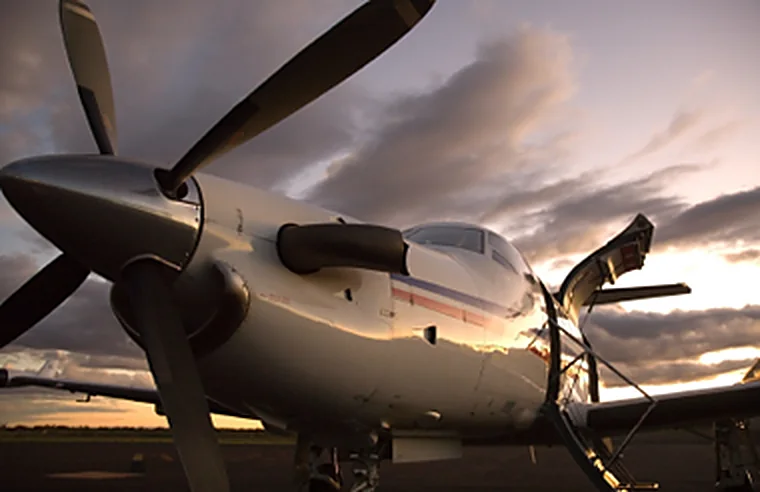
Tuition by aircraft
Tuition is the same at your location or at ours. Travel expenses are added when we come to you. We do not ask for payment before training. Tuition shown takes effect January 1, 2027. Courses before then are at the current rate, so ask us.
Turboprop
- Initial
- $3,300 to $3,950
- Recurrent
- $2,200 to $2,950
Piston
- Initial
- $3,050
- Recurrent
- $1,800
Your underwriter decides, so we show our record
Since August 2011 we have submitted aircraft-specific syllabi and CFII credentials to underwriters. These have approved our courses and underwritten completed training.
- Aerospace Insurance Managers
- AIG as Chartis Aerospace
- AXA XL as XL Specialty
- Old Republic Aerospace as Phoenix Aviation Managers
- Starr as CV Starr
- U.S. Specialty
- W. Brown & Associates
Each underwriter decides for each pilot and aircraft, so your broker comes first. See the full list and how approval works.
Aircraft we train in
Each of the 20 aircraft families has its own page: models, engine, course focus, and the type rating and high altitude facts for that airplane.
Turboprop
- King Air 90
- King Air 100 and 200
- King Air 300 and 350
- PC-12
- TBM
- Meridian and JetPROP
- Caravan
- Conquest I and II
- Cheyenne
- Turbo Commander
Piston
Articles for pilots who already fly these airplanes
- What does insurance approved training mean?
- King Air training cost: tuition by model, and what the airplane adds
- Mentor pilot turboprop insurance: why underwriters ask, and what to check
- Transition from Piston to Turboprop: How to Be Insurable Before You Close
- Cessna 421 insurance requirements: what is rule and what is policy
- Engine Out Training in the Airplane: What Belongs There and What Does Not
- Do you need a high altitude endorsement? The 25,000-foot test, aircraft by aircraft
- Does a King Air require a type rating? The 12,500 lb line, model by model
- Can a CFI do an IPC? Who may give it, what it covers, and time in type
- How often is pilot recurrent training required? The FAA answer and the policy answer