
PC-12 recurrent and initial training
Models: PC-12/45, PC-12/47, PC-12/47E NG, PC-12/47E NGX
Travel expenses added if we come to you.
Tuition shown takes effect January 1, 2027. Courses before then are at the current rate, so ask us.
What you leave with
- An aircraft-specific syllabus covering systems, limitations, emergencies, the FARs, real-world operations and servicing
- A written test on your aircraft, the FARs and instrument procedures
- An instrument proficiency check and a flight review, when you meet their standards, with separate endorsements
- A high altitude endorsement, if the aircraft requires it and you have not had one
- A course completion certificate for your underwriter
Build a renewal training plan for the PC-12
Pilatus PC-12 insurance requirements: what the FAA asks and what underwriters ask
PT6 hot start: what it is, how a hung start differs, and what to watch
How a course runs · Tuition for every aircraft · In-aircraft vs simulator training
PC-12 training questions
How much does PC-12 training cost?
PC-12 initial training is $3,750 and recurrent is $2,550, delivered in your own aircraft at your airport or at ours. Tuition is the same in both places. Travel expenses are added when we come to you, and your aircraft's fuel and operating cost during the flight hours is yours.
Do I need a type rating for the PC-12?
No. The PC-12 tops out at 10,450 lb on the FAA data sheet, and a search of that data sheet found no type rating requirement.
Does the PC-12 need a high altitude endorsement?
Yes. The published maximum operating altitude is 30,000 feet, so the 14 CFR 61.31(g) endorsement applies unless you already hold it or an exception applies.
Will my underwriter accept PC-12 training in my own aircraft?
That is your underwriter's decision, for your experience and limits. Ask your broker first. We can send the aircraft-specific syllabus and CFII credentials to help them decide.
About the PC-12
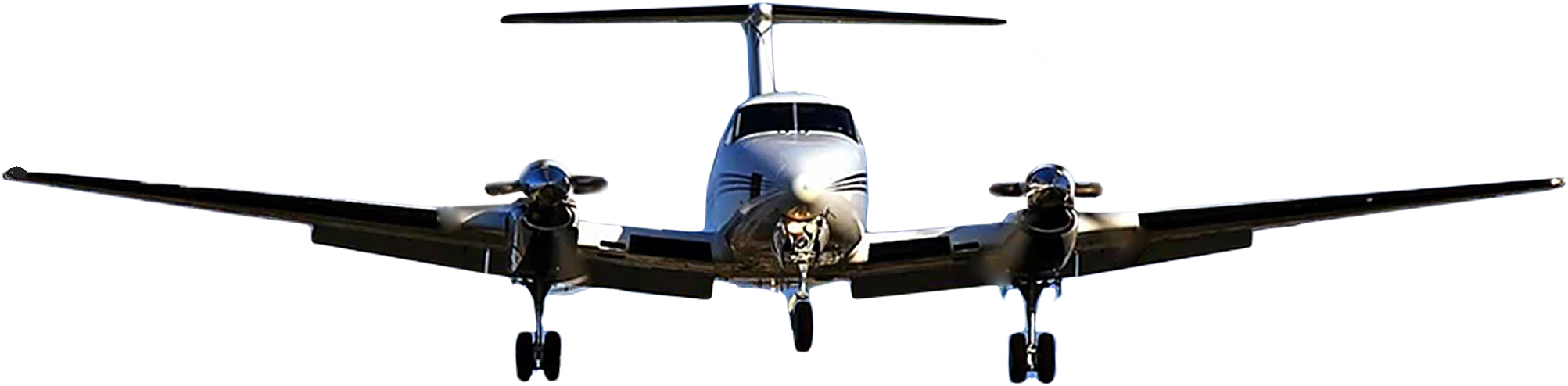
The PC-12 is a single-engine pressurized turboprop with a 30,000 foot ceiling, a large cabin and a stick pusher, flown single pilot by many owners. There is no second engine to think about, and that is exactly why time goes to the systems that replace it as a safety margin: pressurization, oxygen, fuel management and the engine-failure glide plan.
Access Flight Training ServicesRevised 2026-11-27