
Page 29 of FAA-S-ACS-8C is where an airplane IPC gets its content: tasks from six areas of operation, and a line that rules a basic aviation training device out of every part of the check. Whether a CFI can do an IPC is answered somewhere else, in a list in 14 CFR 61.57(d) and one paragraph of FAA guidance.
Can a CFI do an IPC?
Yes, if the CFI holds the instrument rating. 61.57(d) says an IPC may be given by:
- an examiner
- a qualified military person
- a company check pilot
- an authorized instructor
- a person approved by the Administrator
The regulation says "authorized instructor." AC 61-98E, the FAA's guidance on the check, spells out the ratings in para 5.1.1: "The flight instructor must hold an instrument rating on their pilot certificate and flight instructor certificate that is appropriate to the category and class of aircraft used for the IPC."
In practice, the person you are looking for is a CFII rated for the category and class of your airplane. A CFI with no instrument rating on the instructor certificate does not meet that paragraph. The AC states that it does not bind the public, and it does not apply to Part 121 or 135 programs, but it is the FAA's written guidance for a general aviation IPC.
You may not need the check yet. 61.57(d) applies after a person "has failed to meet the instrument experience requirements of paragraph (c) of this section for more than six calendar months." We read that to mean a pilot inside those six months can still regain currency by logging the tasks with a safety pilot or a device.
What must an IPC include under FAA-S-ACS-8C?
61.57(d) points to the ACS areas of operation, and for an airplane that is FAA-S-ACS-8C. The minimum, from p.29:
- III, Task B: Holding Procedures
- IV, Task B: Recovery from Unusual Flight Attitudes
- V, Task A: Intercepting and Tracking Navigational Systems and DME Arcs
- VI, all tasks: non-precision approach, precision approach, missed approach, circling approach, landing from an instrument approach
- VII, Tasks B and C, multiengine only: One Engine Inoperative during Straight-and-Level Flight and Turns; Instrument Approach and Landing with an Inoperative Engine (Simulated)
- VII, Task D: Approach with Loss of Primary Flight Instrument Indicators
- VIII, all tasks: Postflight Procedures
The task list is a floor, and the person giving the check can ask for more. AC 61-98E para 5.3 gives the instructor discretion to add maneuvers. In an aircraft, the check may be flown VFR with a view-limiting device or IFR, including actual conditions (para 5.1.3.1). Appendix H has a sample plan and Appendix I a sample checklist.
Published tuition. Travel expenses added if we come to you. Tuition shown takes effect January 1, 2027. Courses before then are at the current rate, so ask us.
Who can give an IPC in a twin?
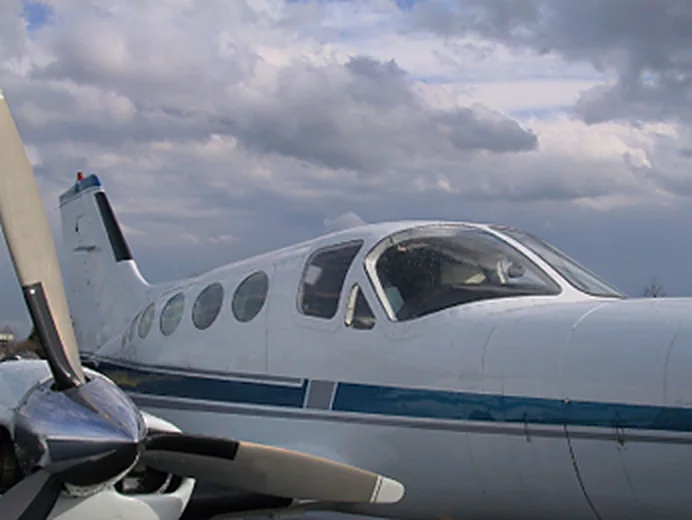
AC 61-98E para 5.1.1 uses the twin as its example: "an IPC conducted in a multiengine airplane requires a flight instructor who holds both multiengine and instrument ratings on their pilot and flight instructor certificate."
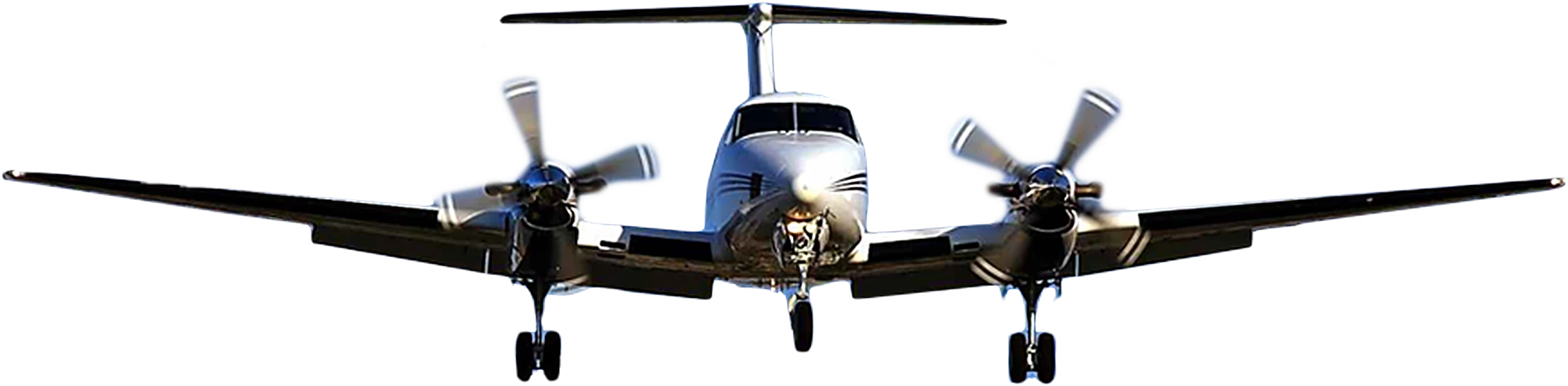
Fly the engine-out tasks by the procedures in your AFM or POH. If the twin needs a type rating, as a King Air 300 or 350 does, add 14 CFR 61.195(e): the instructor must hold that rating on his or her pilot certificate.
Is an IPC from a CFII also a flight review?
Not by itself, as we read the rule. 14 CFR 61.56(d) excuses the flight review for a pilot who passed a pilot proficiency check or practical test by "an examiner, an approved pilot check airman, or a U.S. Armed Force, for a pilot certificate, rating, or operating privilege." A flight instructor is not on that list. AC 61-98E para 4.1.2.3.1 repeats the list (the FAA, an approved check airman, a Designated Pilot Examiner, the Armed Forces) and does not name a flight instructor either.
A check given by an examiner is a different question. Ask the examiner or your FSDO before you rely on it.
The two can share a session. 61.56(h) lets the requirements be accomplished in combination with 61.57 and other recent experience requirements, at the discretion of the authorized instructor conducting the review. The review keeps its own minimum under 61.56(a): 1 hour of flight training and 1 hour of ground training, covering Part 91 general operating and flight rules and maneuvers at the reviewer's discretion.
One session can carry both items, and the logbook should show two endorsements. AC 61-65K has separate sample wording for each: A.69 for the flight review and A.71 for the IPC. Access courses can include both when the pilot meets the standards: see how the two fit a course and recurrent training in your own panel.
Which training devices can you use for an IPC?
61.57(d) allows an aircraft appropriate to the category or a representative FFS or FTD. The same ACS page sets the limits:
| Device | What FAA-S-ACS-8C allows |
|---|---|
| Aircraft | Every task |
| FFS Level B, C or D | Includes the circling approach, landing task and multiengine tasks, subject to qualification and approval under 14 CFR 61.4 |
| AATD | The majority of the IPC, as specified in its letter of authorization, but not those three items |
| BATD | No part of the IPC |
The flight review is tighter: 61.56(i) allows an FFS or FTD only under an approved course at a certificated training center.
An airplane has no device limits to work around. A simulator can run failures you would not fly in an airplane. That trade-off is compared row by row, and your underwriter may have a view on it.
Does your CFII need time in type under 61.195?
Keep two sources apart here. The first is the regulation. 14 CFR 61.195 says:
- (b): the instructor must hold a flight instructor certificate and a pilot certificate, each with the applicable category and class rating.
- (e): in an aircraft that requires a type rating, the instructor must hold that rating.
- (f): in a multiengine airplane, helicopter or powered-lift, an instructor "may not give training required for the issuance of a certificate or rating ... unless that flight instructor has at least 5 flight hours of pilot-in-command time in the specific make and model of multiengine airplane, helicopter, or powered-lift, as appropriate."
Here is our reading of (f), and it is only a reading. The 5 hours attach to training required for a certificate or rating, and recurrent, flight review or IPC training does not appear to be covered by that text. A single-engine airplane is not named in (f) at all. Treat that as unsettled until you confirm it with aviation counsel or your FSDO.
What an insurer may require of your instructor
The second source is your policy, and it answers a different question. We found no published underwriting guide from any insurer on turboprop training minimums, so there is no public number to quote. Your underwriter may set its own floor for instructors, in total time or time in type, and only your broker can tell you whether it has.
Owner groups can set floors of their own. TBMOPA's advanced aviator program, AIN reported on May 13, 2026, requires recurrent training with an instructor who has at least 1,500 hours of pilot in command time, 500 in turboprops and 100 in TBMs. That comes from the association's program, and a policy may say something else.
Meeting 61.195 and meeting your policy are two separate tests.
What to ask before you book an IPC
Ask the instructor:
- Which ratings are on your pilot certificate and your flight instructor certificate?
- How many hours do you have in this make and model, and how many as pilot in command?
- Is your own instrument currency up to date? The note to AC 61-98E para 5.1.1 lists it as a factor.
- Will you log the IPC and the flight review with separate endorsements?
Ask your broker, in writing:
- Does my policy set minimums for the instructor, and does this person meet them?
- If we train in my airplane, is the instructor covered on my policy, or do I have to name the instructor?
Frequently asked questions
Can a CFI without the instrument rating do my IPC?
FAA guidance says no. AC 61-98E para 5.1.1 says the flight instructor "must hold an instrument rating on their pilot certificate and flight instructor certificate that is appropriate to the category and class of aircraft used for the IPC." 14 CFR 61.57(d) itself says "authorized instructor." Ask to see both certificates.
Who should do my IPC in a twin?
An instructor with multiengine and instrument ratings on both the pilot and flight instructor certificates (AC 61-98E para 5.1.1), or another person listed in 14 CFR 61.57(d), such as an examiner. If the twin requires a type rating, 14 CFR 61.195(e) says the instructor must hold that rating too.
Does the IPC during recurrent also count as my flight review?
Not by itself when a flight instructor gives it, as we read 14 CFR 61.56(d), which names examiners, check airmen and the Armed Forces. An instructor can accomplish both in one session under 61.56(h). The review needs at least 1 hour of flight training and 1 hour of ground training, and the logbook should show two endorsements.
Does the instructor need hours in my type? What if he has never flown a Navajo?
14 CFR 61.195(f) requires at least 5 flight hours of pilot in command time in the specific make and model for training required for a certificate or rating in a multiengine airplane. We read that as not clearly reaching recurrent or IPC training, so confirm with aviation counsel or your FSDO. Your underwriter may set its own number, so ask your broker, and ask the instructor for the hours before you book.
Can I do the whole IPC in a simulator or training device?
Not in every device. FAA-S-ACS-8C lets an AATD cover the majority of the check, as specified in its letter of authorization, but the circling approach, landing task and multiengine tasks must be flown in an aircraft or an FFS Level B, C or D. A BATD cannot be used for any part.
Sources
- 14 CFR 61.57, Recent flight experience: Pilot in command, eCFR, 2026.
- 14 CFR 61.56, Flight review, eCFR, 2026.
- 14 CFR 61.195, Flight instructor limitations and qualifications, eCFR, 2026.
- FAA-S-ACS-8C, Instrument Rating, Airplane Airman Certification Standards, FAA, 2023.
- AC 61-98E, Currency Requirements and Guidance for the Flight Review and Instrument Proficiency Check, FAA, 2024.
- AC 61-65K, Certification: Pilots and Flight and Ground Instructors, FAA, 2025.
- More Than 100 TBM Owners Participate in Safety Program, AIN, 2026.
Access Flight Training ServicesRevised 2026-11-03